

Introduction
In the world of home design and architecture, the use of stone has always been a timeless and elegant choice. Stone carries a sense of durability, natural beauty, and rustic charm that is hard to replicate with any other material. One popular way to incorporate the stunning look of stone into your home is through the use of cottage stone veneer. This article will explore the various aspects of cottage stone veneer, including its benefits, installation process, design options, and maintenance requirements.
Benefits of Cottage Stone Veneer
Cottage stone veneer offers a wide range of benefits that make it an attractive choice for homeowners looking to enhance the aesthetic appeal of their living spaces. One of the primary advantages of cottage stone veneer is its cost-effectiveness compared to natural stone. While natural stone can be expensive to purchase and install, cottage stone veneer provides a more affordable alternative without compromising on the visual impact of real stone.
Another key benefit of cottage stone veneer is its lightweight nature. Unlike traditional stone, which can be heavy and require additional support structures, cottage stone veneer is designed to be lightweight and easily installed on various surfaces. This makes it a versatile option for both interior and exterior applications, allowing homeowners to add a touch of stone to virtually any part of their home.
Additionally, cottage stone veneer comes in a wide array of colors, textures, and styles, providing homeowners with endless design possibilities. Whether you prefer the rugged look of stacked stone or the smooth finish of fieldstone, there is a cottage stone veneer option to suit your taste and complement your home's overall aesthetic.
Installation Process
The installation process for cottage stone veneer is relatively straightforward, especially when compared to the labor-intensive process of working with natural stone. Here is a general overview of the steps involved in installing cottage stone veneer:
1. Surface Preparation: Before installing the cottage stone veneer, the surface must be properly prepared. This involves cleaning the area, removing any existing finishes or debris, and ensuring that the surface is smooth and free of imperfections.
2. Application of Waterproofing Membrane: To protect the underlying structure from water damage, a waterproofing membrane is applied to the surface. This membrane acts as a barrier to prevent moisture from seeping through and causing issues such as mold or mildew.
3. Installation of Metal Lath: A metal lath is then attached to the surface using screws or nails. The metal lath provides a secure base for the cottage stone veneer to adhere to and helps ensure a strong bond.
4. Mixing and Applying Mortar: A mortar mix is prepared according to the manufacturer's instructions and applied to the metal lath using a trowel. https://www.fs-slate.com/step-stone/ acts as the adhesive that will hold the cottage stone veneer in place.
5. Placing the Stone Veneer: The cottage stone veneer pieces are then carefully placed onto the mortar, starting from the bottom and working your way up. The stones should be positioned close together to create a seamless look.
6. Grouting and Finishing: Once the stone veneer is in place, grout is applied between the stones to fill in any gaps and create a cohesive appearance. The grout is then smoothed out and allowed to dry before any final touches are made.
Design Options
One of the most appealing aspects of cottage stone veneer is the wide range of design options available to homeowners. Whether you are looking to create a cozy, rustic atmosphere in a country cottage or add a touch of sophistication to a modern home, there is a cottage stone veneer style to suit your needs. Here are some popular design options to consider:
1. Stacked Stone: Stacked stone veneer features stones that are stacked on top of each other to create a textured and dimensional look. This style is perfect for adding a rugged and natural element to a fireplace, accent wall, or exterior facade.
2. Fieldstone: Fieldstone veneer mimics the look of stones found in a field or meadow, with irregular shapes and sizes that create a more organic and rustic appearance. This style is ideal for creating a warm and inviting atmosphere in a living room, kitchen, or outdoor patio.
3. Ledge Stone: Ledge stone veneer features stones with a rough-hewn finish that mimics the look of stones found along a ledge or cliff. This style adds a touch of drama and sophistication to any space, making it a popular choice for accent walls, columns, and entryways.
4. River Rock: River rock veneer replicates the smooth, rounded stones typically found in riverbeds or streams. This style brings a sense of tranquility and natural beauty to a space, making it an excellent choice for bathrooms, spas, and outdoor water features.
Maintenance Requirements
While cottage stone veneer requires minimal maintenance compared to natural stone, it is essential to follow some basic care guidelines to ensure its longevity and beauty. Here are a few maintenance tips to keep your cottage stone veneer looking its best:
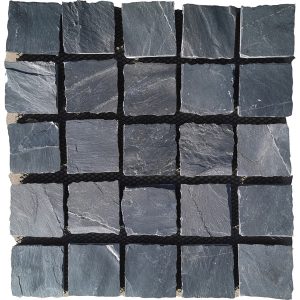
1. Regular Cleaning: To prevent dirt, dust, and debris from building up on the surface of the stone veneer, it is essential to clean it regularly. Use a soft brush or cloth to remove any loose particles, and avoid using harsh chemicals or abrasive cleaners that could damage the finish.
2. Sealing: Depending on the type of cottage stone veneer you have installed, it may be beneficial to apply a sealer to protect the surface from stains and moisture. Consult with the manufacturer or a professional installer to determine the appropriate sealer for your specific stone veneer.
3. Inspecting for Damage: Periodically inspect the cottage stone veneer for any signs of damage, such as cracks, chips, or loose stones. If you notice any issues, address them promptly to prevent further damage and maintain the integrity of the installation.
4. Repairing Damage: In the event of minor damage to the cottage stone veneer, such as a cracked or chipped stone, you can typically repair it yourself using a stone adhesive or patching compound. For more extensive damage, it is best to consult with a professional to assess the situation and recommend the appropriate course of action.
Conclusion
Cottage stone veneer is a versatile and cost-effective way to enhance the charm and character of your home. With its wide range of design options, ease of installation, and minimal maintenance requirements, cottage stone veneer offers homeowners a practical and stylish solution for incorporating the beauty of stone into their living spaces. Whether you are looking to create a cozy retreat in a rustic cabin or add a touch of elegance to a modern home, cottage stone veneer is sure to make a lasting impression.